Don't Hit Plz — quick guide and practice checklist
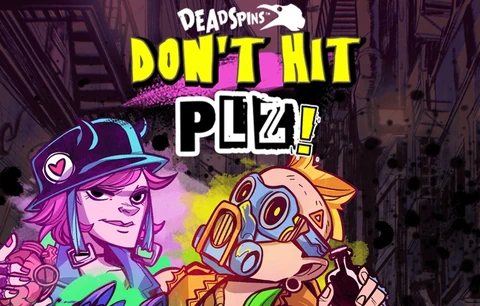
Demo mode. No real-money winnings. External provider loads only after clicking.
Provider Red Tiger
Decide whether you're researching or ready to play — Overview of Don't Hit Plz
Decide whether you're researching the game or preparing to play it. Don't Hit Plz is listed with the provider Red Tiger. That is the only confirmed, supplier-level fact available from the information you provided.
Everything else about the game's mechanics, layout and bonus features is unconfirmed for this title. If you want to move from research to play, check the casino or platform that offers the game for its full in-client rules and feature list before staking real money.
Technical characteristics: known vs unconfirmed
| Characteristic | Value | Confirmed? |
|---|---|---|
| Title | Don't Hit Plz | Known |
| Provider | Red Tiger | Known |
| RTP (return to player) | Not supplied — check the game info in the casino client or operator site | Unconfirmed |
| Volatility | Not supplied — volatility is unconfirmed | Unconfirmed |
| Reels / Rows | Not supplied | Unconfirmed |
| Paylines / Ways | Not supplied | Unconfirmed |
| Bet range (min / max) | Not supplied | Unconfirmed |
| Demo mode available | Not supplied | Unconfirmed |
| Mobile compatibility | Not supplied | Unconfirmed |
| Special features (free spins, multipliers, jackpots, etc.) | Not supplied | Unconfirmed |
How to read the in-game rules and paytable
Open the game’s help or information panel before you play. The in-game paytable and rules typically explain: symbol values, how winning combinations are formed, active paylines or ways, feature triggers, and any special symbol behavior (wilds, scatters, multipliers).
If the game client includes a short tutorial, follow it to see how features activate in practice. If any wording is unclear, the casino's published game rules or the provider’s supported documentation should clarify payout conditions and rounding rules. Any specifics for Don't Hit Plz are unconfirmed until you view the actual paytable in the client.
Demo practice checklist
- Confirm demo availability before you start — demo availability for Don't Hit Plz is unconfirmed.
- Use demo mode to read the paytable and test feature triggers without financial risk.
- Run several short sessions at different bet levels to feel how stake size affects outcomes and feature frequency.
- Note spin speed and autoplay behavior so you can set session timing limits appropriately on real money play.
- Test the game on desktop and mobile (if you plan to play on phone/tablet) — compatibility is unconfirmed for this title; report any UI glitches to the operator.
- Keep a simple log: number of spins, bet size, features triggered. This helps you understand feature frequency in practice, without interpreting results as predictive.
RTP and volatility explained (and how to find them)
RTP (return to player) is a long-term theoretical percentage indicating how much of all wagered money the game returns to players on average over time. Volatility (variance) describes how outcomes are distributed: low volatility means smaller, more frequent wins; high volatility means larger, less frequent wins. Neither the RTP nor the volatility for Don't Hit Plz was supplied and thus are unconfirmed here.
To locate the game's RTP and volatility: check the in-client info panel, the operator's game listing, or the provider's official documentation. Regulated casinos sometimes list RTP and volatility in the game lobby. If you need a verified RTP, look for third-party lab test reports on the operator's site or request the information from customer support.
Budgeting and responsible-play limits
Set your budget and session limits before you play. One simple approach: choose a bankroll for the session, divide it by a planned number of spins to set a per-spin cap, and stop if you reach either a time or loss limit. Set both deposit and loss limits with the operator if those tools are available.
Always treat demo sessions as information-gathering only — outcomes in short samples don't reflect the game's long-term behavior. If you feel play is becoming problematic, pause play and use the operator's responsible-play tools such as self-exclusion, limits or support contacts.
Set limits before you start.
Similar games